« Humanity owes the child the best that it has to give. » Declaration of Geneva
Our daycare practices a blend of several pedagogical approaches aligning with our values, the National Reference Framework for Non-Formal Education, our view of the child as well as the central playing role of the educator. Our work remains primarily focused on children’s rights, as described in the International Convention on the Rights of the Child.
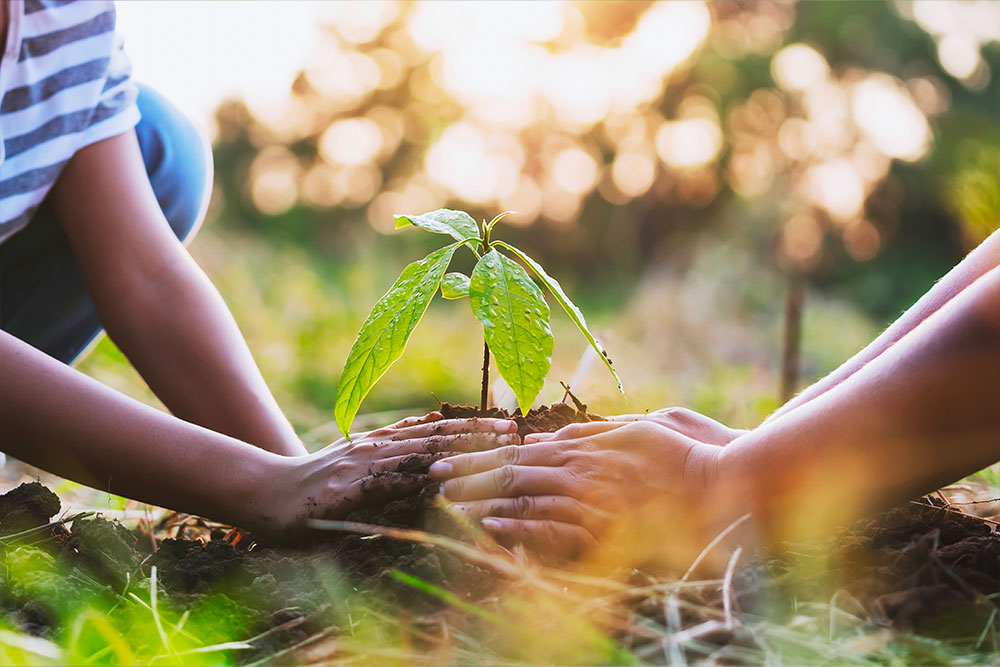
It is through stimulating curiosity for art, music, theater, sports, nature and protection for the environment that we share our values and our core principles with all children. We are proud to offer them the opportunity to grow, to become strong individuals, enriching their lives with meaningful experiences. We wish to instill in them the passion for discovery, a desire to learn, and an eagerness to expand their knowledge, in the respect of tolerance within an environment surrounded by love.
There are seven main areas for your child’s overall development defined in the National Reference Framework for Non-Formal Education, enabling children to develop and thrive positively. Everything is carefully thought out at a structural, organizational, material, and educational level to welcome and care for children in the best possible way.
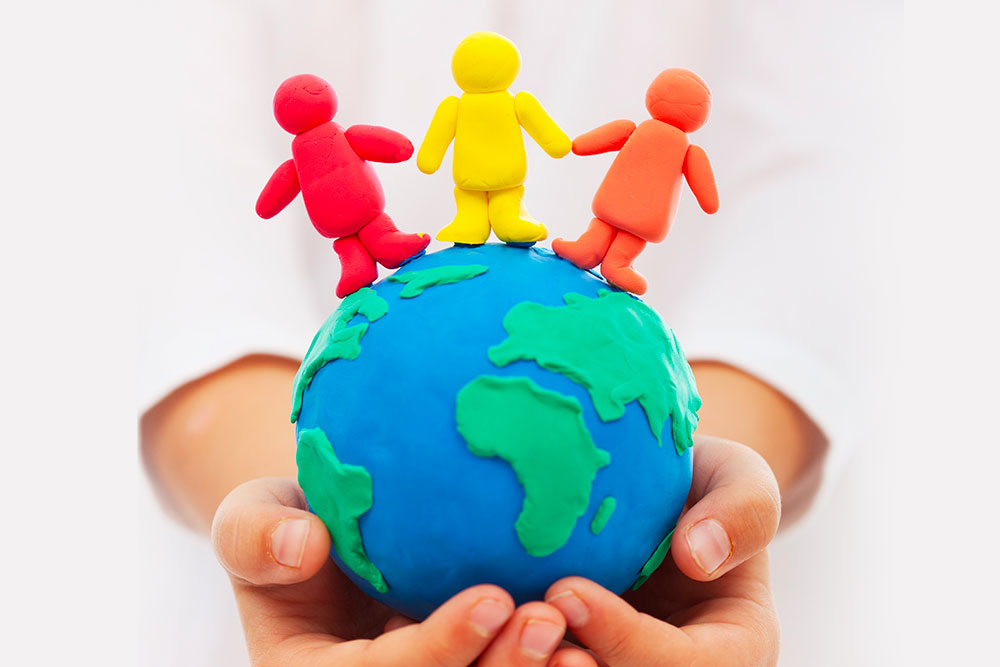
Empathy and compassion are two ingrained qualities in young children; they form the foundation of respect. Teaching children respect is certainly one of the most important missions we must set for ourselves as adults. Respect for others is an essential value, but also and above all self-respect. For it to truly exist, it must be present on both sides; it will only continue to grow within a healthy and enriching relationship for everyone.
To tolerate others is to accept that their behavior, way of thinking, or way of being differ from our own; it means accepting a different way of doing things or a different way of life, even if we do not entirely agree with how the other person behaves or with their principles. However, tolerance does not mean accepting everything, quite the contrary. Tolerance helps us understand the extent to which we accept or do not accept what another person does, says, or thinks. It is a vital step for the development as an individual, as it leads to reflection and questioning.
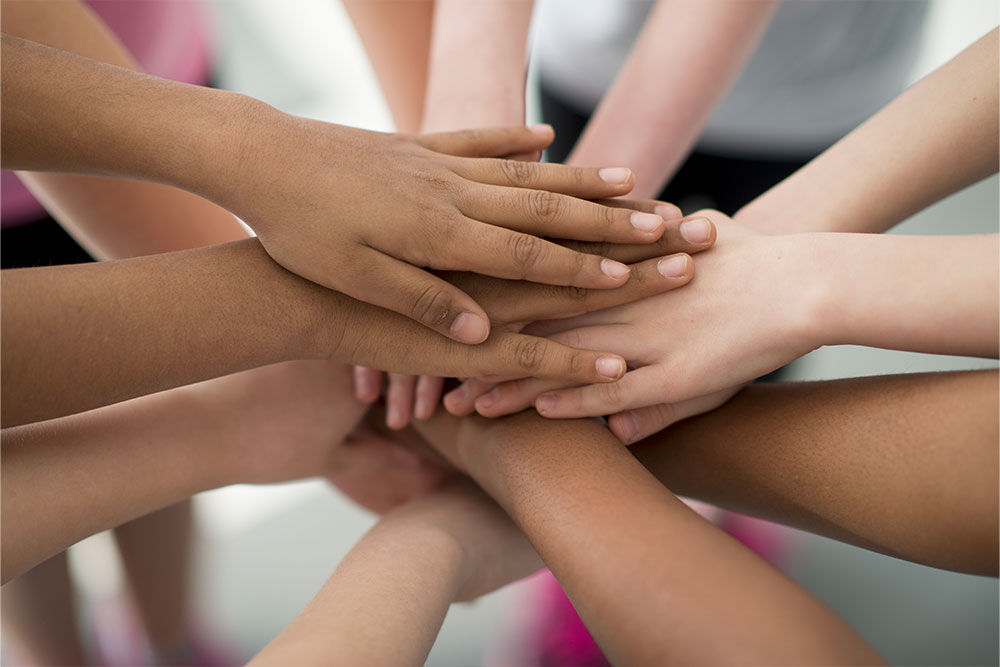
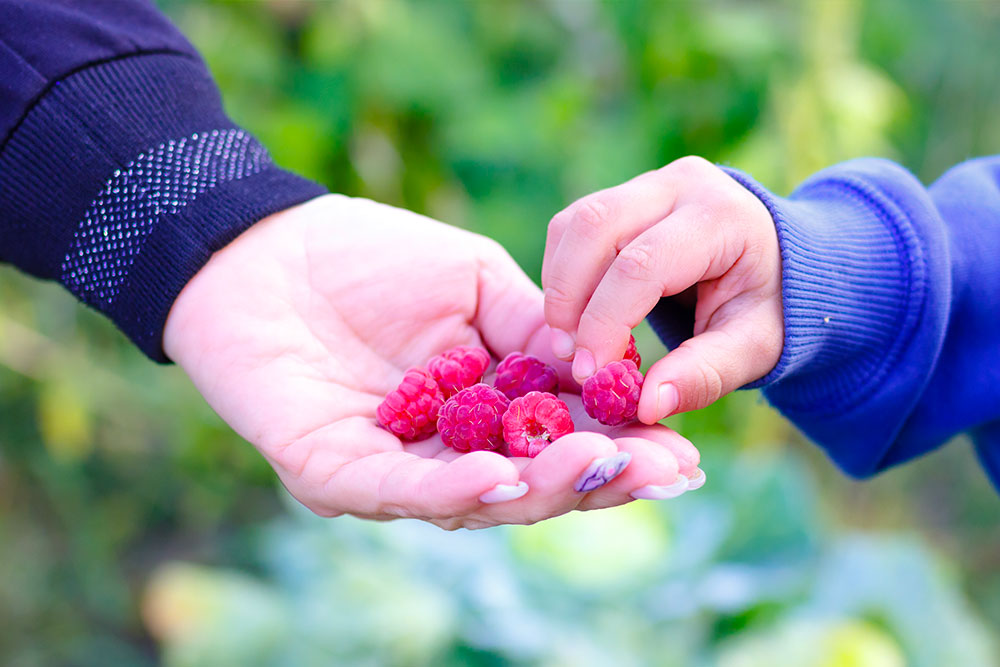
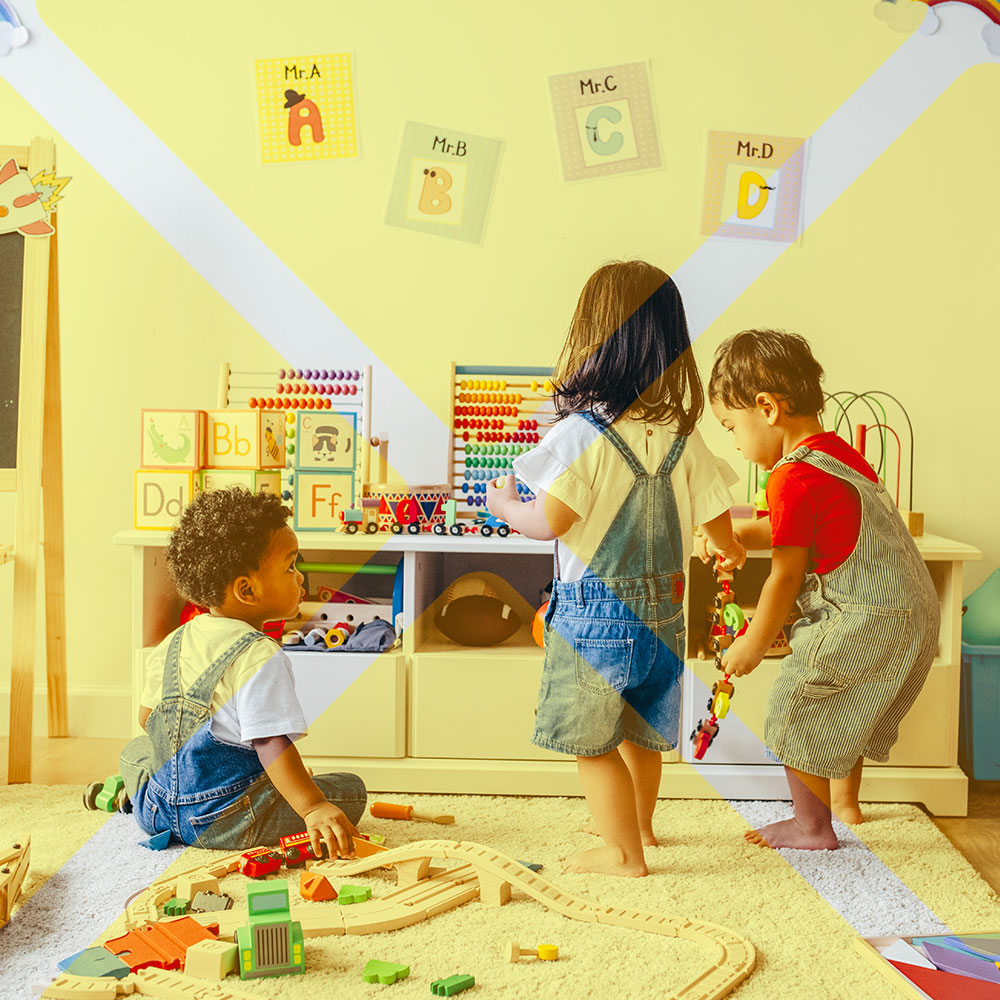
Unlike empathy and compassion, sharing is not a natural ability; it is a skill that a child must acquire. It is not easy to grasp the concepts of giving and receiving, especially when the notion of time is still abstract. It is a challenge that children learn to overcome, in a supportive and caring environment, to play and interact with their peers. It is important to share objects and to give without expecting anything in return, but it is even more important to learn to share one’s time and knowledge.
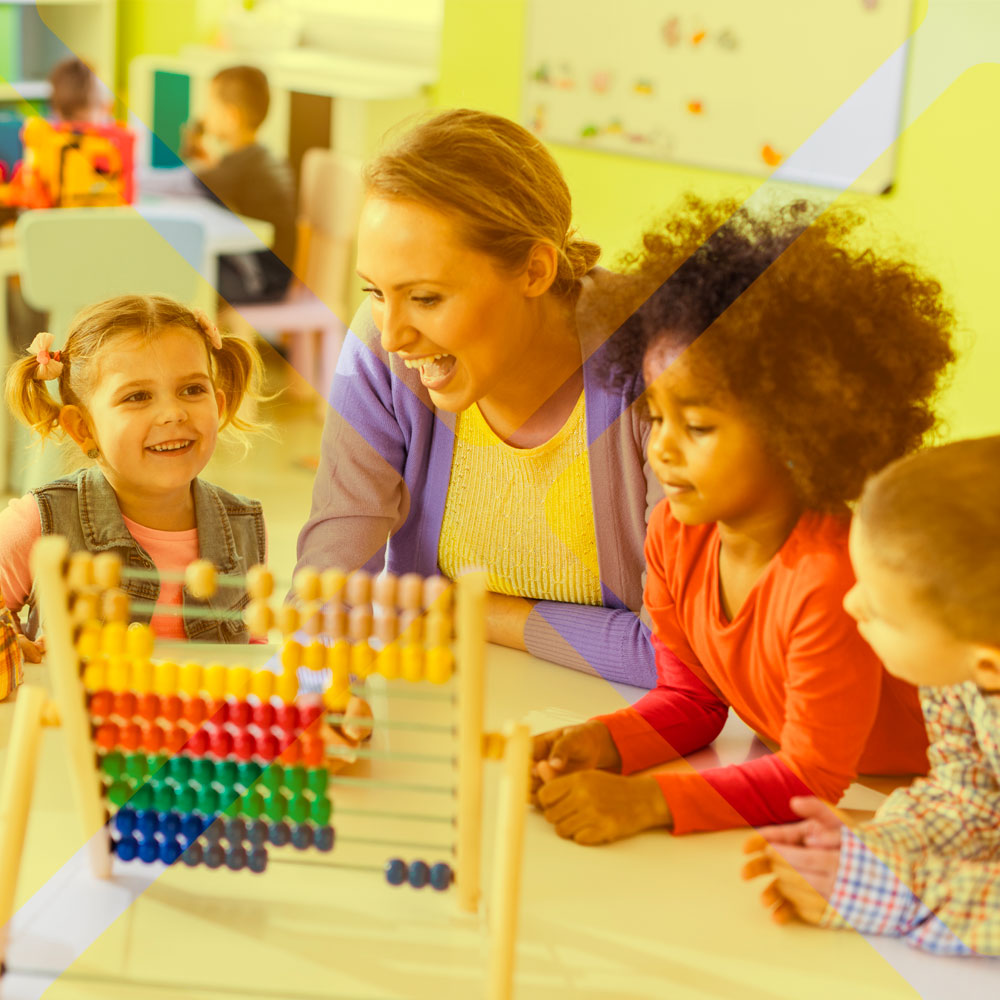
Our team naturally has the mission to guide and care for the children, to share diverse and varied projects with them, and to participate in dynamic learning adventures. These are activities fostering early learning, imagination, curiosity, the social, emotional, cognitive, linguistic, and psychomotor development of the child, as well as integration into their social and local environment, respecting their own pace and adapted to their age.
We strictly uphold the respect and support required for each child’s pace by adapting appropriate stimulations for their early development. Thus, they can use their abilities and develop their personality. This personal expression can only occur in a welcoming, warm environment that opens the door to creativity and imagination. We offer each child the time to develop as an individual, considering their current abilities and needs. It is through voluntary self-directed learning that the child will develop as an individual and will thus be able to expand and deepen their skills and abilities.
Our hope is to allow all children to start their lives with the same initial opportunities, to fully achieve their potential in their educational and, subsequently, professional projects. We encourage them to explore and to discover the world, to step toward the unknown, and to open up to others.
We hope that today’s young generation can become tomorrow’s responsible citizens.
Technical cookies (Required)

Anonymized audience measurement and user experience improvement cookies (Required)
Audience measurement cookies using external tools (Optional)